03 Animal-03_Animal introduction
Moff animal cafe
Animals you can meet
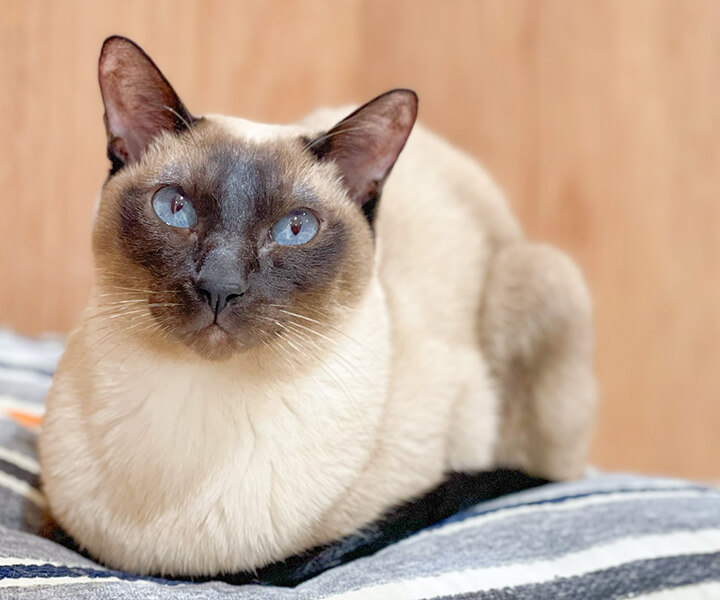
Classification: Carnivora, Felidae
Food: meat, cat food, etc.
Lifespan: Approximately 14 to 16 years
Weight: Approximately 3 to 5 kg
Habitat: Near people's homes around the world
They are good at climbing to high places and getting into narrow spaces using their sharp claws and flexible bodies. They spend most of the day sleeping and are active mainly in the morning and at night. They have excellent hearing and sense of smell, and can sensitively detect even the smallest sounds and smells.。

Classification: Carnivora, Canidae
Food: meat, dog food, etc.
Lifespan: Approximately 10 to 15 years
Weight: Approximately 2-40 kg (varies greatly depending on breed)
Habitat: Near people's homes around the world
They have an excellent sense of smell and can detect scents tens of thousands of times stronger than humans. They tend to live in groups and are good at building trusting relationships with people. They love exercise and tend to be active, so they maintain their physical and mental health through play and walks.
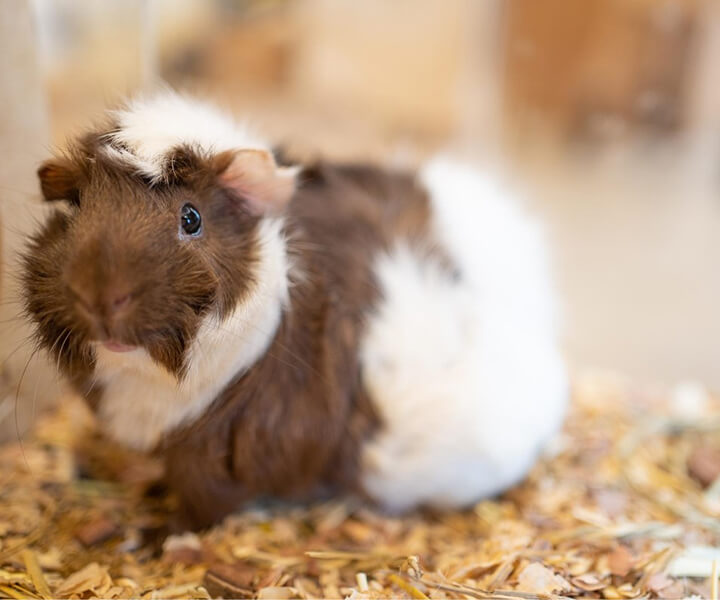
Classification: Rodentia, Caviidae
Food: plants, fruits, etc.
Lifespan: Approximately 7 years
Weight: Approximately 700g
Country of Origin: South America)
They are also known as "guinea pigs." They have no tails and have four toes on their front paws and three on their back paws. They cannot synthesize vitamin C in their bodies, so they get it from food. There are various breeds, including those with long hair and those with curly hair.
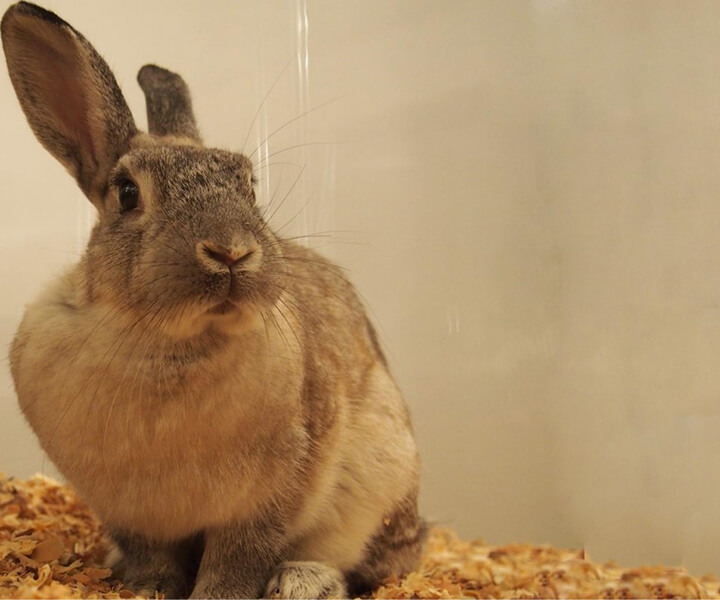
Classification: Lagomorpha, Leporidae
Food: plants, fruits, etc.
Lifespan: Approximately 7 to 10 years
Weight: 2000g
Country of Origin: Europe
They are domesticated European rabbits, and there are over 150 breeds of them, all over the world. Rabbits have a 180-degree field of vision with each eye and a 360-degree field of vision with both eyes, but their eyesight is not very good.
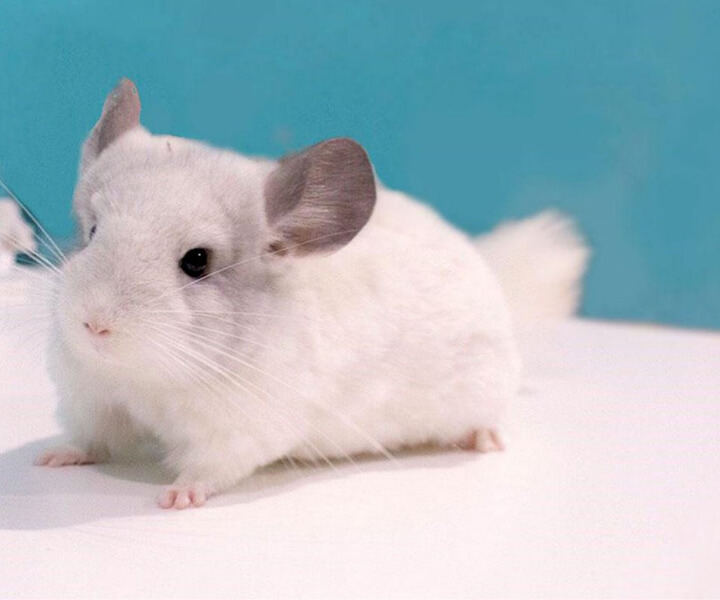
Classification: Rodentia, Chinchilla
Food: Grass, plant roots, etc.
Lifespan: Approximately 10 years
Weight: Approximately 400g
Habitat: Rocky areas at altitudes of 500-1500m in the Andes Mountains
They live in groups, spending the day in burrows hidden among rocks and other structures, and are active at night. Wild species are at risk of extinction due to over-hunting for fur and other factors.
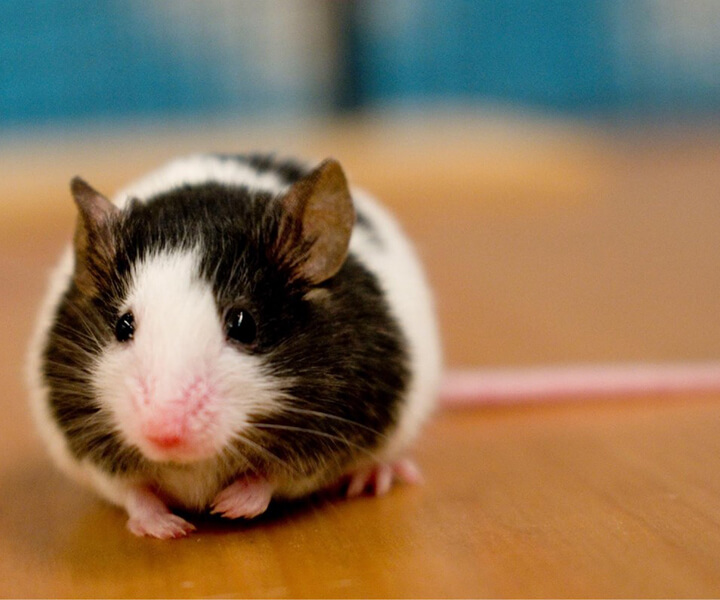
Classification: Rodentia, Muridae
Food: Cereals, etc.
Lifespan: Approximately 1 year
Weight: Approximately 15g
It is said that they were kept as pets during the Edo period, but later became extinct in Japan, and were imported from overseas and once again kept as pets. This is a species that does not exist in the wild.
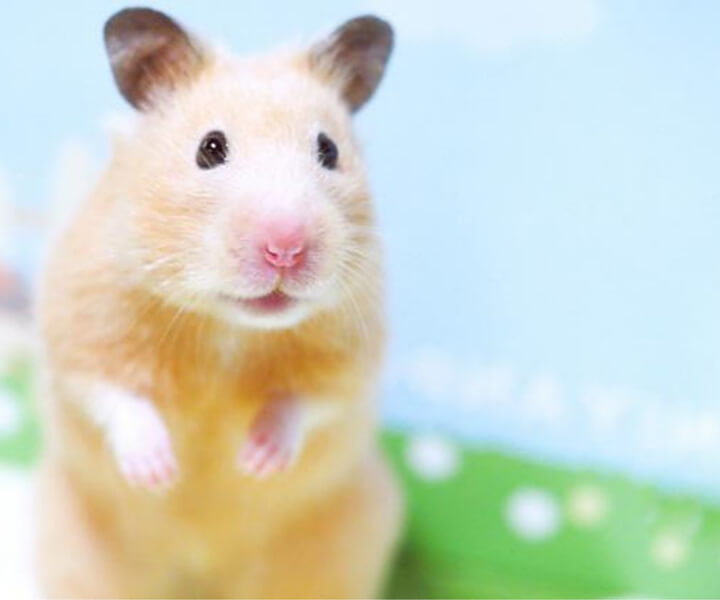
Classification: Rodentia
Diet: Omnivorous, almost herbivorous
Plants (stems, leaves, roots, fruits, seeds), etc.
Lifespan: Approximately 2 years
You can interact with various types of hamsters, including golden hamsters and djungarian hamsters.

 Japanese
  English