03 Animal-03_Animal introduction
Moff animal cafe
Animals you can meet
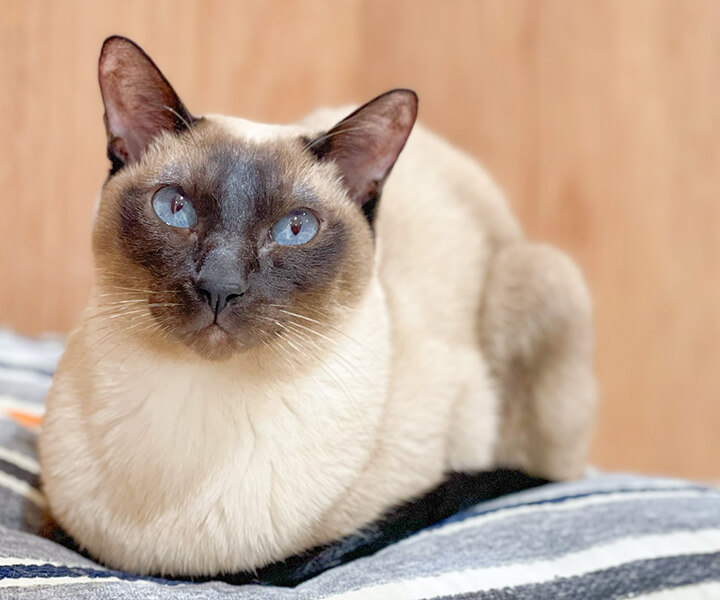
Classification: Carnivora, Felidae
Food: meat, cat food, etc.
Lifespan: Approximately 14 to 16 years
Weight: Approximately 3 to 5 kg
Habitat: Near people's homes around the world
They are good at climbing to high places and getting into narrow spaces using their sharp claws and flexible bodies. They spend most of the day sleeping and are active mainly in the morning and at night. They have excellent hearing and sense of smell, and can sensitively detect even the smallest sounds and smells.。
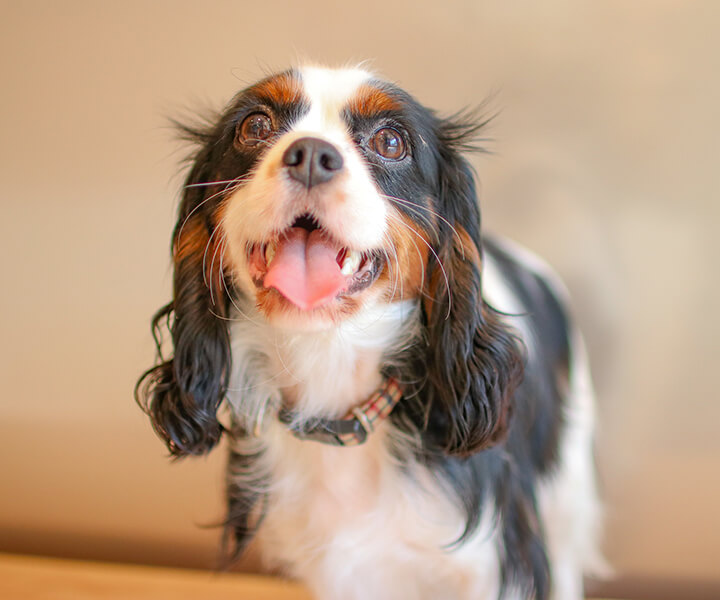
Classification: Carnivora, Canidae
Food: meat, dog food, etc.
Lifespan: Approximately 10 to 15 years
Weight: Approximately 2-40 kg (varies greatly depending on breed)
Habitat: Near people's homes around the world
They have an excellent sense of smell and can detect scents tens of thousands of times stronger than humans. They tend to live in groups and are good at building trusting relationships with people. They love exercise and tend to be active, so they maintain their physical and mental health through play and walks.
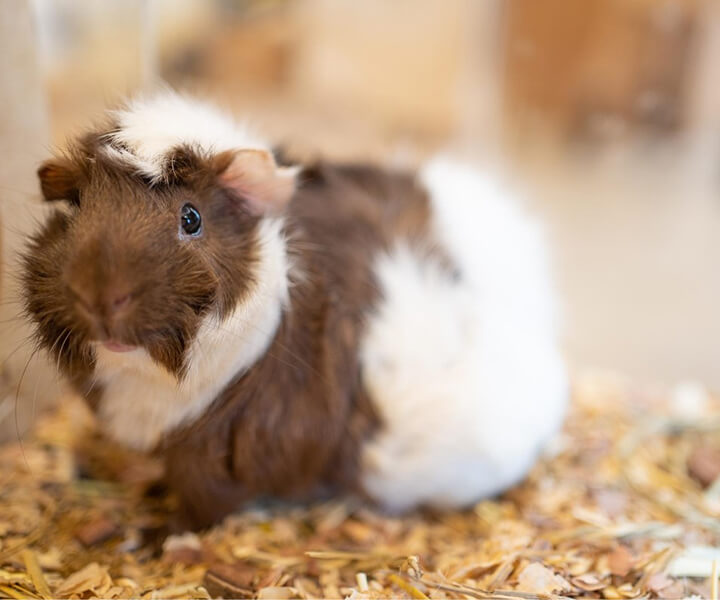
Classification: Rodentia, Caviidae
Food: plants, fruits, etc.
Lifespan: Approximately 7 years
Weight: Approximately 700g
Country of Origin: South America)
They are also known as "guinea pigs." They have no tails and have four toes on their front paws and three on their back paws. They cannot synthesize vitamin C in their bodies, so they get it from food. There are various breeds, including those with long hair and those with curly hair.
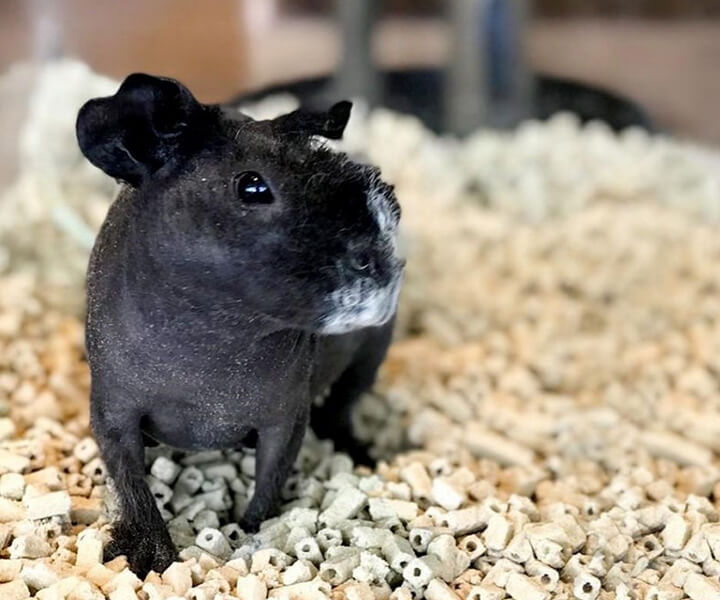
Classification: Rodentia, Caviidae
Food: plants, fruits, etc.
Lifespan: Approximately 7 years
Weight: 700-1200g
Habitat: South America
Guinea pigs are hairless animals, with some having a little hair on their noses and paws, and others being completely hairless. They cannot synthesize vitamin C in their bodies, so they obtain it from their food.
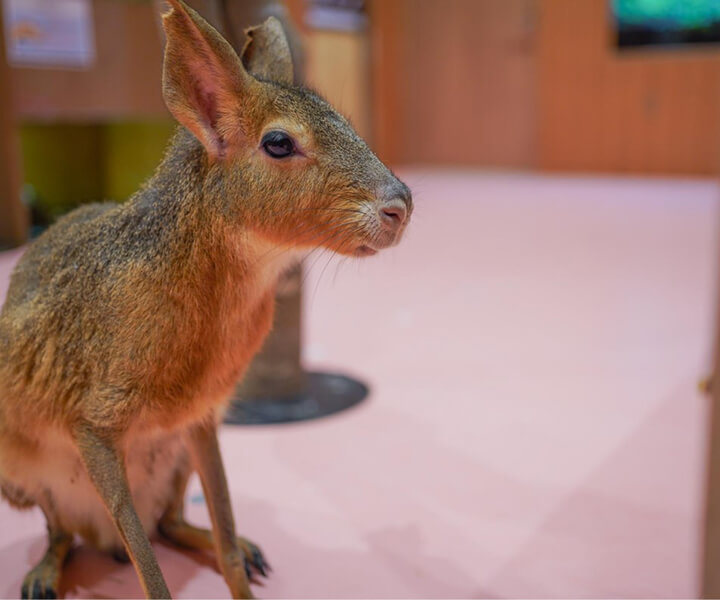
Classification: Rodentia, Caviidae
Food: Grass
Weight: 6-8 kg
Lifespan: Approximately 7 to 10 years
Habitat: Southern South America
They have long limbs and run by leaping. Among the Caviidae family, they are the third largest, after capybaras, beavers, and porcupines. Being diurnal, they rest in burrows they dig in the ground at night. During the breeding season, they form large groups and raise their young together.
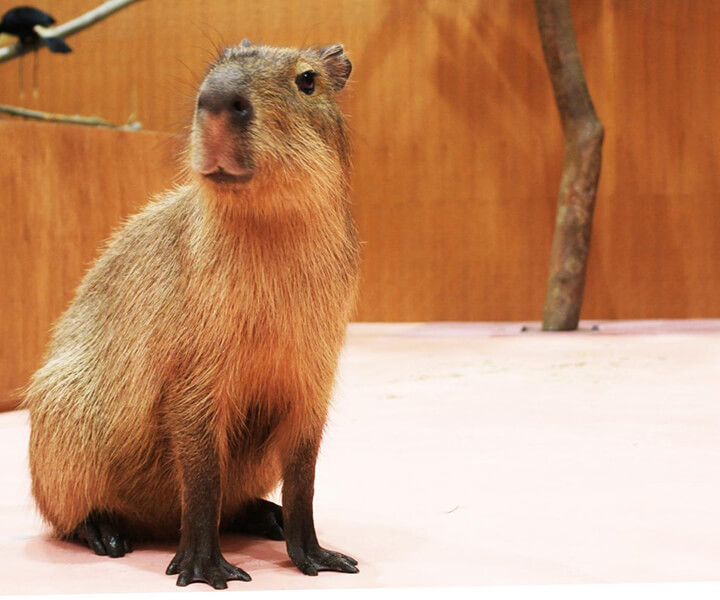
Classification: Rodentia, Caviidae
Food: Insects, fruits, etc.
Body length: 105-135cm
Lifespan: 7-12 years
Habitat: Eastern South America, etc.
Its Japanese name is Oni Tenjiku Nezumi (鬼天竺鼠). It is a herbivore that prefers to eat grass and aquatic plants. It is an excellent swimmer, and has webbed feet on both its front and hind legs. Also, when it surfaces underwater, all of its organs—eyes, ears, and nose—are aligned in a straight line so that they are above the water's surface.
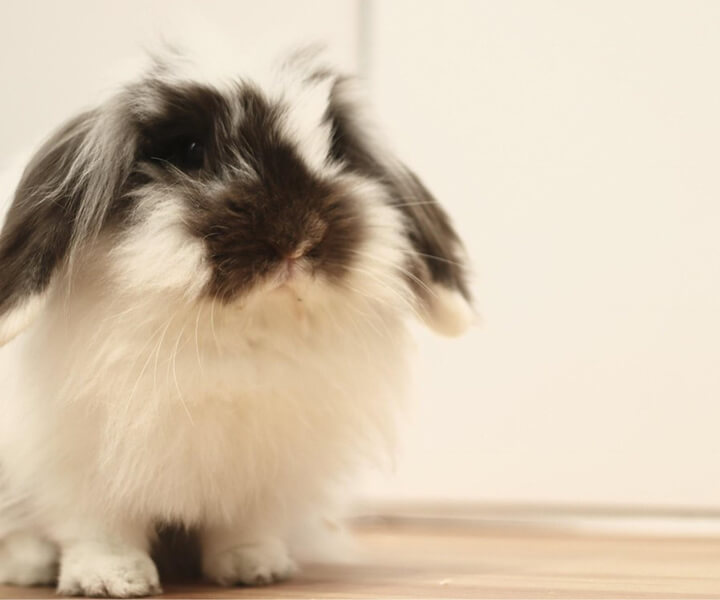
Classification: Lagomorpha, Leporidae
Food: Grass, plants, etc.
Lifespan: Approximately 10 years
Weight: 3000-5000g
Country of Origin: Europe
This breed is a cross between the Holland Lop and the French Angora, characterized by its large, drooping ears and fluffy fur. It is a particularly popular breed among domestic rabbits.
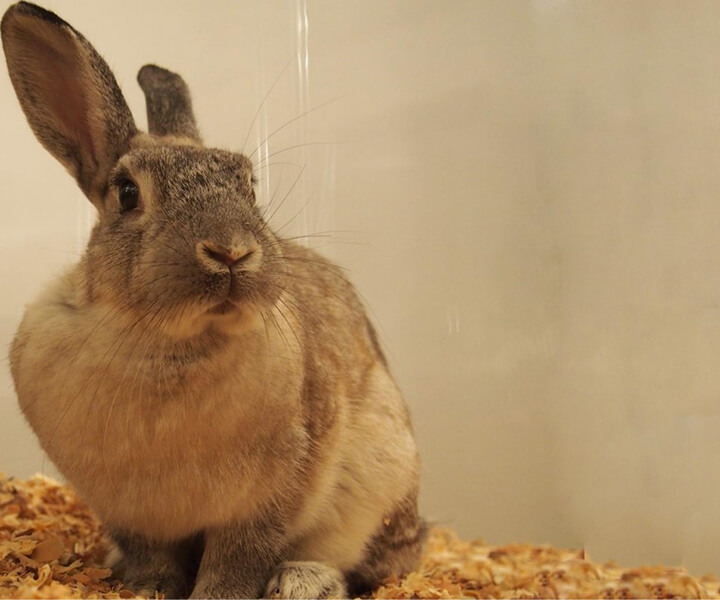
Classification: Lagomorpha, Leporidae
Food: plants, fruits, etc.
Lifespan: Approximately 7 to 10 years
Weight: 2000g
Country of Origin: Europe
They are domesticated European rabbits, and there are over 150 breeds of them, all over the world. Rabbits have a 180-degree field of vision with each eye and a 360-degree field of vision with both eyes, but their eyesight is not very good.
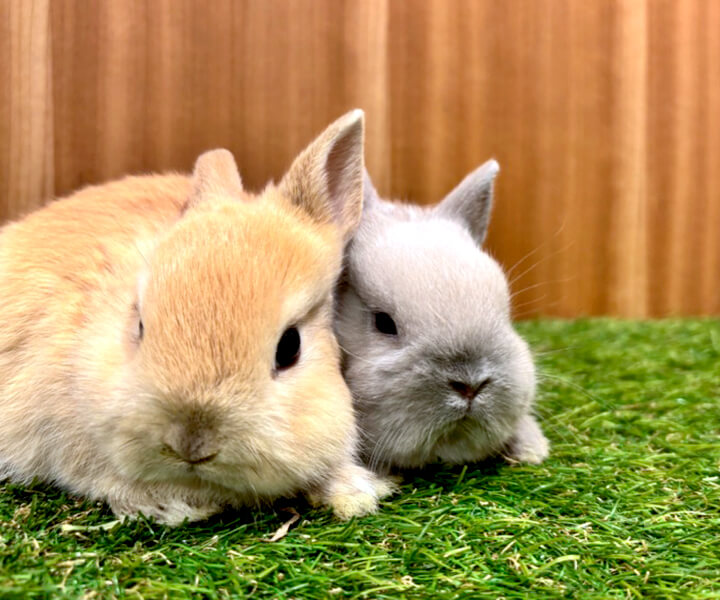
Classification: Lagomorpha, Leporidae
Country of origin: Netherlands
This is the smallest of the domestic rabbit breeds, characterized by its small ears and round face compared to other breeds. It is said to be the model for Peter Rabbit. It has a very wide variety of feather colors and coats, and rabbit shows are held all over the world.
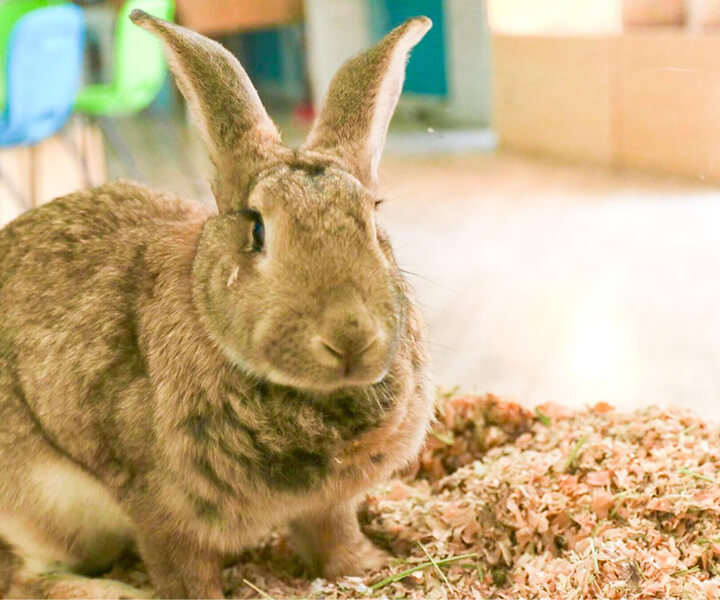
Classification: Lagomorpha, Leporidae
Food: plants, fruits, etc.
Lifespan: Approximately 7 to 10 years
Weight: Approximately 6-10 kg
Country of Origin: Europe
The world's largest rabbit. A breed developed from the European rabbit for food, it is prone to gaining weight. The individual registered in the Guinness Book of World Records can weigh nearly 25 kg.
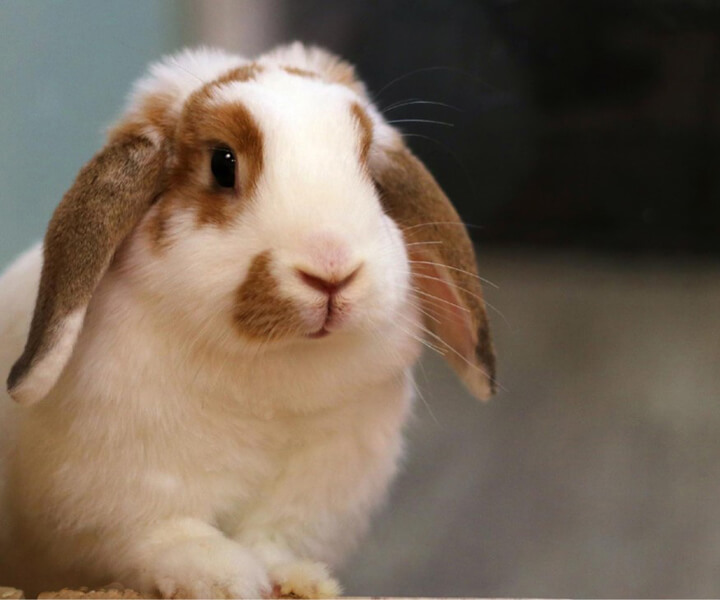
Classification: Lagomorpha, Leporidae
Food: plants, fruits, etc.
Lifespan: Approximately 7 to 10 years
Weight: Approximately 1500-4000g
Country of Origin: Europe
A distinctive feature of rabbits is their large, drooping ears. These long ears are rich in blood vessels. Instead of sweating from their bodies, rabbits release heat through their ears, playing a role in regulating their body temperature.
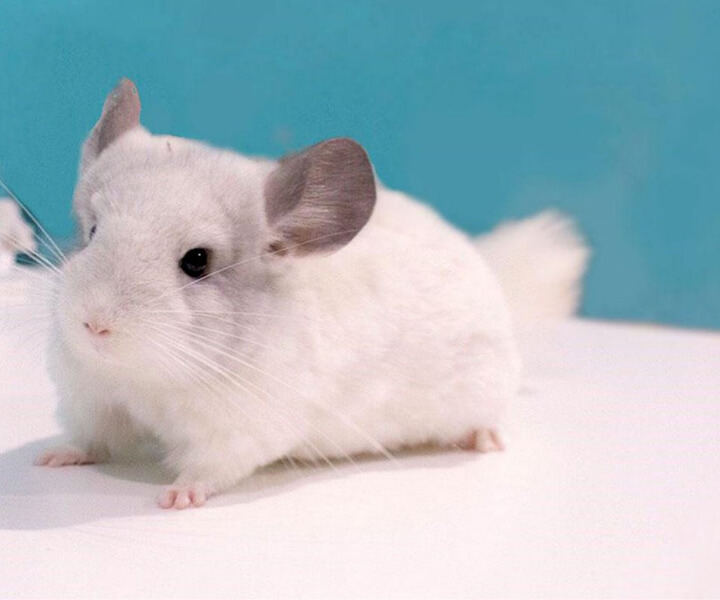
Classification: Rodentia, Chinchilla
Food: Grass, plant roots, etc.
Lifespan: Approximately 10 years
Weight: Approximately 400g
Habitat: Rocky areas at altitudes of 500-1500m in the Andes Mountains
They live in groups, spending the day in burrows hidden among rocks and other structures, and are active at night. Wild species are at risk of extinction due to over-hunting for fur and other factors.
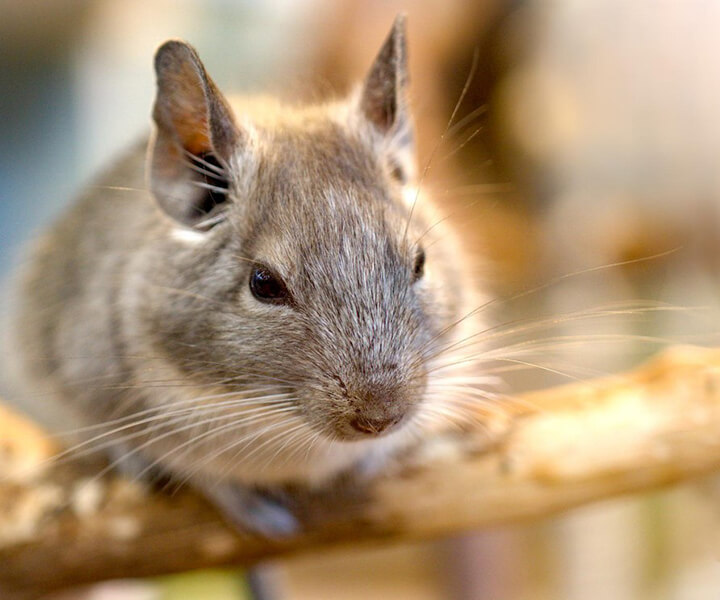
Classification: Order Rodentia, Family Degusidae
Food: Grass, etc.
Lifespan: Approximately 5-8 years
Weight: Approximately 350g or less
Habitat: Andes region
They regularly take sand baths to keep themselves clean. They are very curious and sociable, making them friendly towards people and often kept as pets.
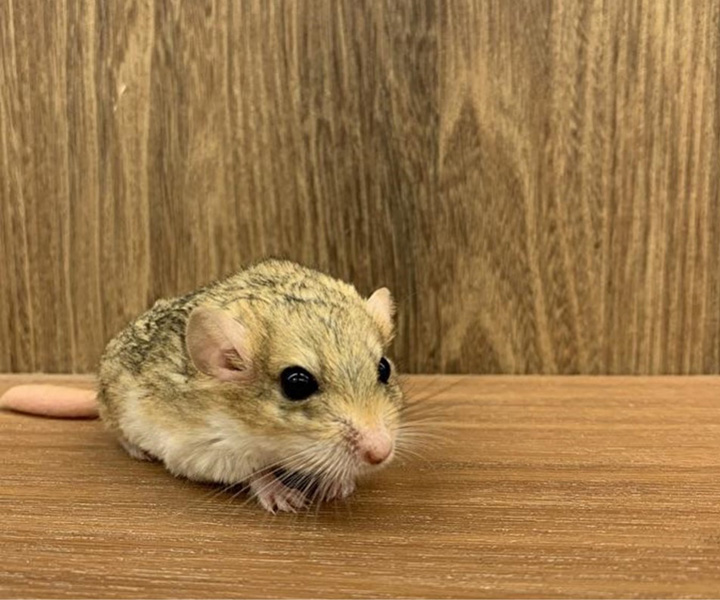
Classification: Rodentia, Muridae
Food: Omnivore (seeds, insects, vegetables, etc.)
Body length: 10-13cm
Lifespan: 3-4 years
Habitat: Around the Sahara Desert
These nocturnal mice live in groups, digging burrows in the ground, and are also known as "macaroni mice" because of their distinctive thick tails. These thick tails store nutrients necessary for survival in the harsh desert environment.
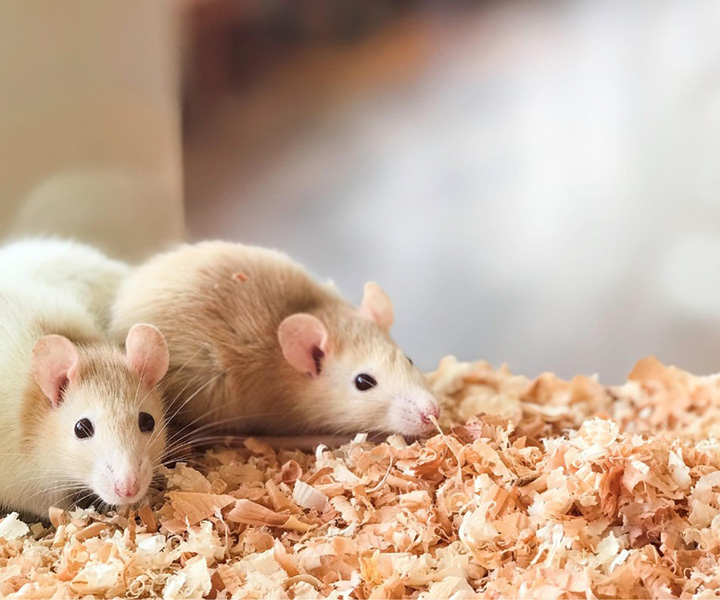
Classification: Rodentia, Muridae
Food: Cereals, etc.
Lifespan: Approximately 1 year
Weight: Approximately 15g
This refers to a domesticated rat, a type of sewer rat, that has been kept as a pet since around the 18th century and comes in a variety of colors, patterns, and fur types. It is generally known for its gentle temperament and is quite popular.
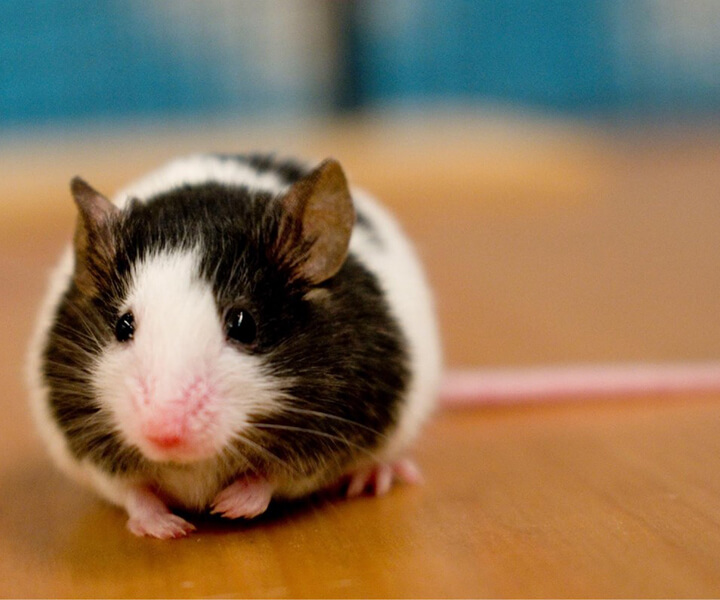
Classification: Rodentia, Muridae
Food: Cereals, etc.
Lifespan: Approximately 1 year
Weight: Approximately 15g
It is said that they were kept as pets during the Edo period, but later became extinct in Japan, and were imported from overseas and once again kept as pets. This is a species that does not exist in the wild.
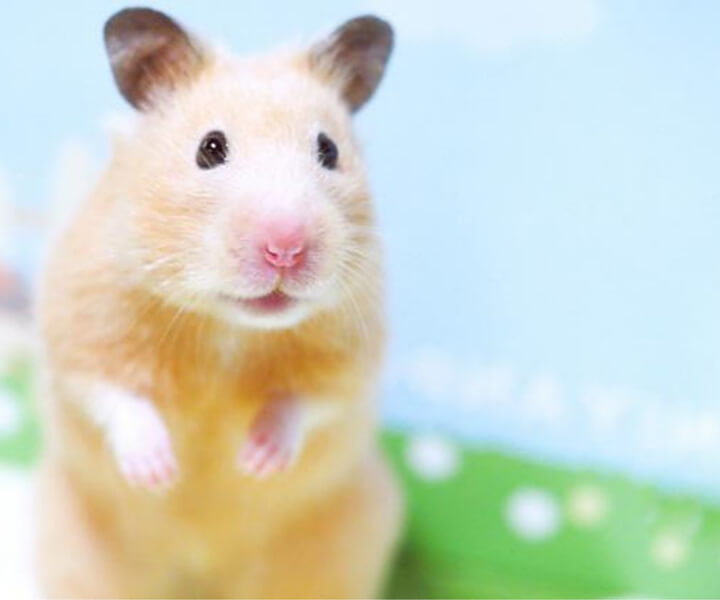
Classification: Rodentia
Diet: Omnivorous, almost herbivorous
Plants (stems, leaves, roots, fruits, seeds), etc.
Lifespan: Approximately 2 years
You can interact with various types of hamsters, including golden hamsters and djungarian hamsters.
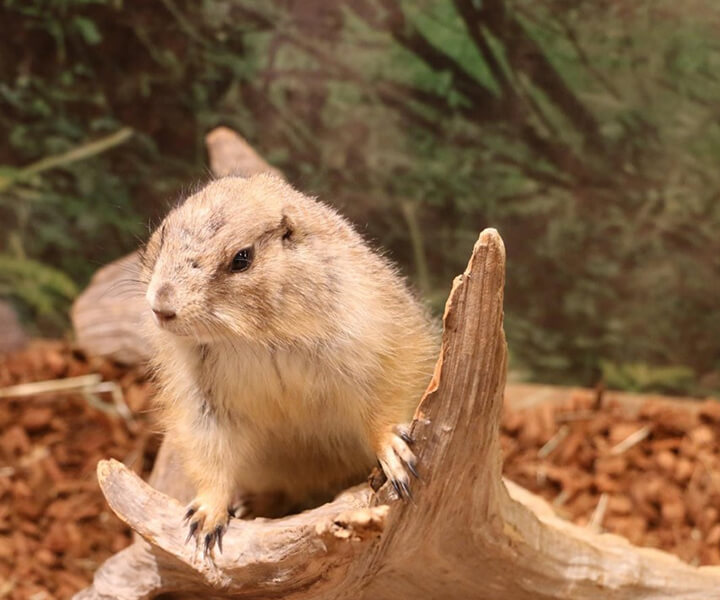
Classification: Rodentia, Sciuridae
Food: Plants, insects, etc.
Lifespan: Approximately 7-8 years
Weight: Approximately 800-1200g
Habitat: Grasslands of central North America
A type of ground squirrel that lives in groups in burrows underground. As its name suggests, it is called a black-tailed prairie dog because of its black tail. It stands on two legs to keep watch and makes a high-pitched, dog-like noise when danger approaches.
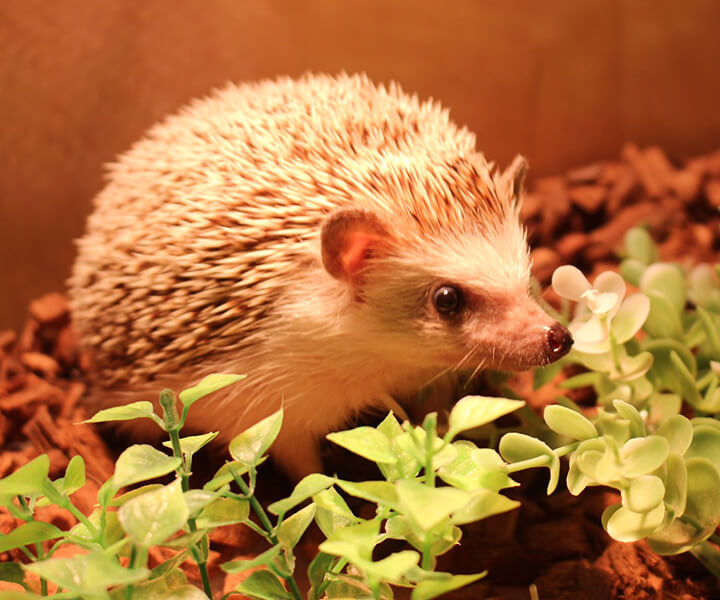
Classification: Order Erinaceomorpha, Family Erinaceidae
Food: Insects, etc.
Lifespan: Approximately 6-8 years
Weight: Approximately 500g
Habitat: African savanna
Although its name includes "mouse," it is taxonomically considered to be closer to the mole. When startled or threatened, it raises its spines and curls up to protect itself. It does not have spines on its underside.
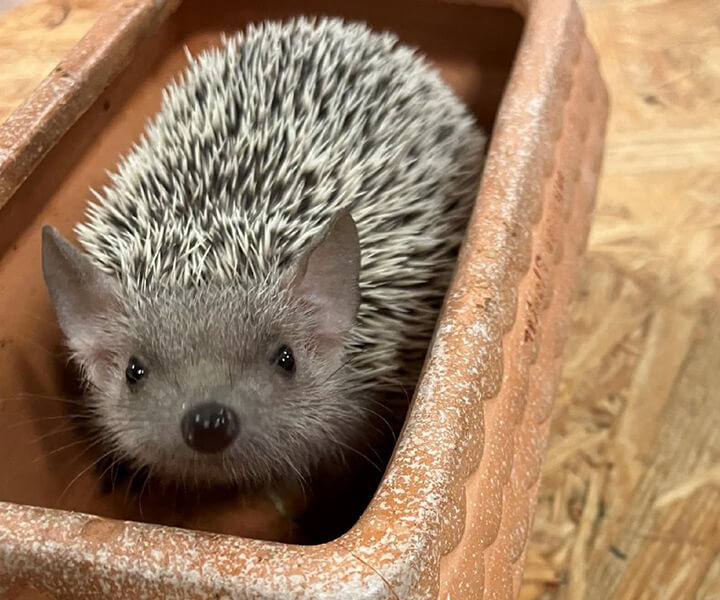
Classification: Tenrecidae (Tenrecidae)
Food: Insects, etc.
Lifespan: 8-10 years
Body length: 14-18cm
Habitat: Southwestern to southern Madagascar
Also known as the "lesser hedgehog tenrec," this animal is found only in Madagascar. It has five fingers and claws on each of its limbs and leads a semi-arboreal life. It gives birth to many offspring, typically around 15 at a time.
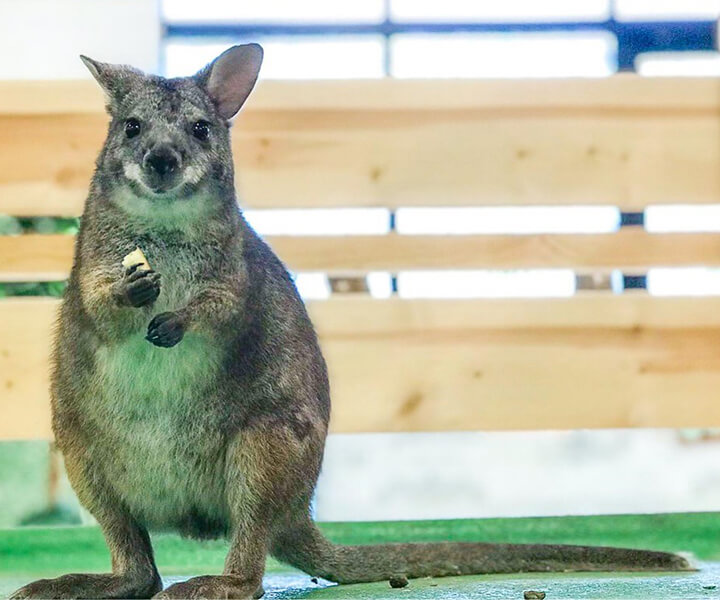
Classification: Order Diprotodontia, Family Macropodidae
Food: Plants, tree branches, fruits, etc.
Lifespan: 10-15 years
Body weight: 3-kg
Habitat: Eastern Australia
Thought to be extinct in the past, its existence was reconfirmed in 1967. It is a rare species with a smaller population compared to other wallabies. Unlike kangaroos, it prefers grasslands and areas with relatively tall grass.
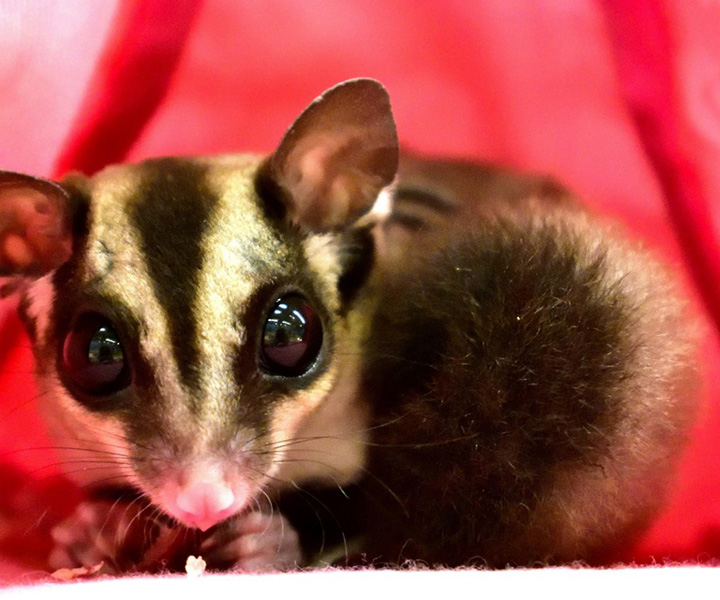
Classification: Order Diprotodontia, Family Sugarlidae
Food: Flower nectar, fruit, insects
Lifespan: Approximately 7 to 10 years
Weight: Approximately 90-160g
Habitat: Forest areas of Australia and the New Guinea Islands
Unlike the flying squirrels that inhabit Japan, they have a pouch on their belly, similar to kangaroos and koalas, for raising their babies.
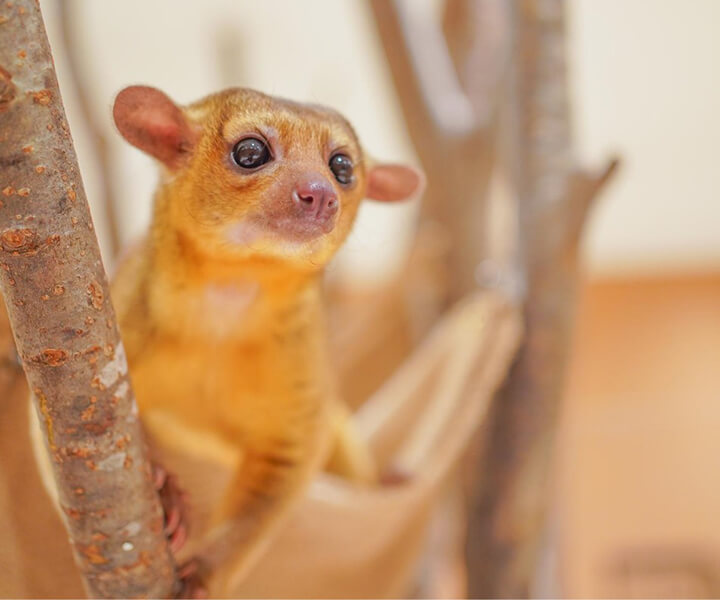
Classification: Order Carnivora, Family Procyonidae
Food: Omnivore with a strong preference for herbivores (fruits, insects, birds, etc.)
Lifespan: Approximately 20 years
Habitat: From southern Mexico to Brazil
This arboreal animal has a tail as long as its body, which it can wrap around tree branches. This characteristic is unique to the binturong and other species outside of monkeys. It has very dexterous hands and fingerprints on its fingertips, just like humans.
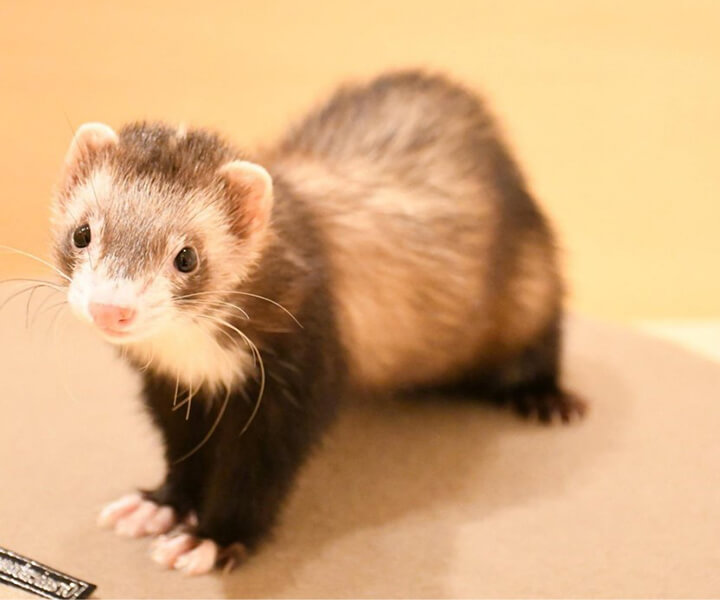
Variety: Marshall
Classification: Order Carnivora, Family Mustelidae
Food: Small animals, etc.
Lifespan: Approximately 7 years
Weight: Approximately 1-1.5 kg
Country of Origin: Europe
The European polecat has been domesticated and is now kept as a pet all over the world. Marshall polecats, in particular, are known to be very friendly and many individuals enjoy physical contact with humans.
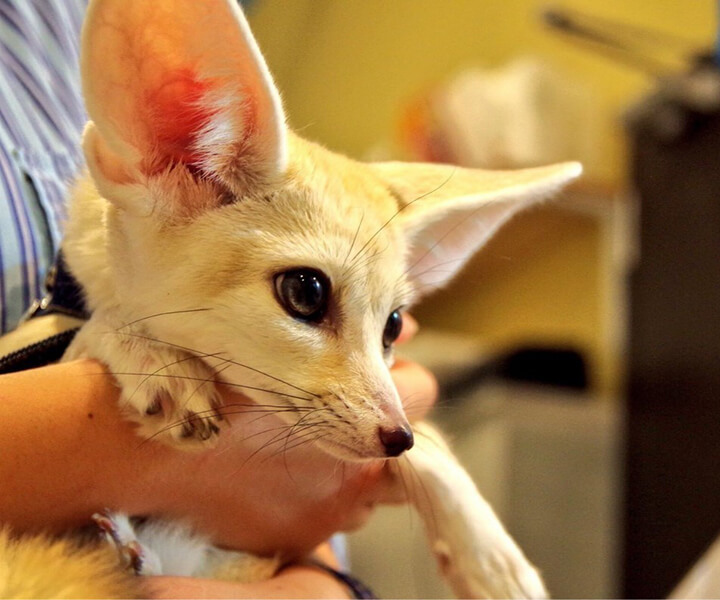
Classification: Order Carnivora, Family Canidae
Food: Birds, reptiles, vegetables, etc.
Lifespan: Approximately 10 years
Weight: Approximately 1000-2000g
Habitat: Egypt, Sudan, Morocco, etc.
It inhabits deserts. Its entire body is covered in soft fur, which is well-suited to the extreme temperature fluctuations of the desert.
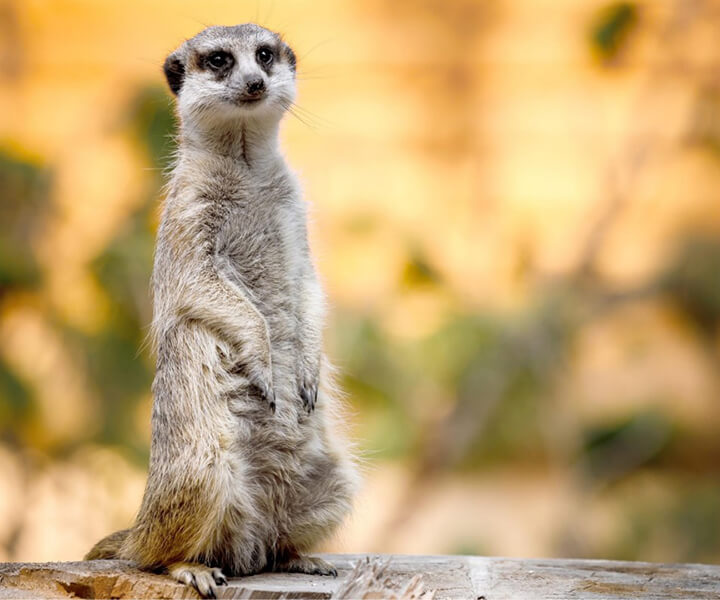
Classification: Order Carnivora, Family Mongooseidae
Food: Insects, fruits, small animals, etc.
Lifespan: Approximately 10 years
Weight: 600-950g
Habitat: Arid regions of South Africa, Angola, Namibia, and South Botswana
They are a type of mongoose. They are highly social, living in family units led by a female, in groups of 20 to 50 individuals. At sunrise, they emerge from their burrows and bask in the sun, using their tails for support and standing upright on their hind legs.
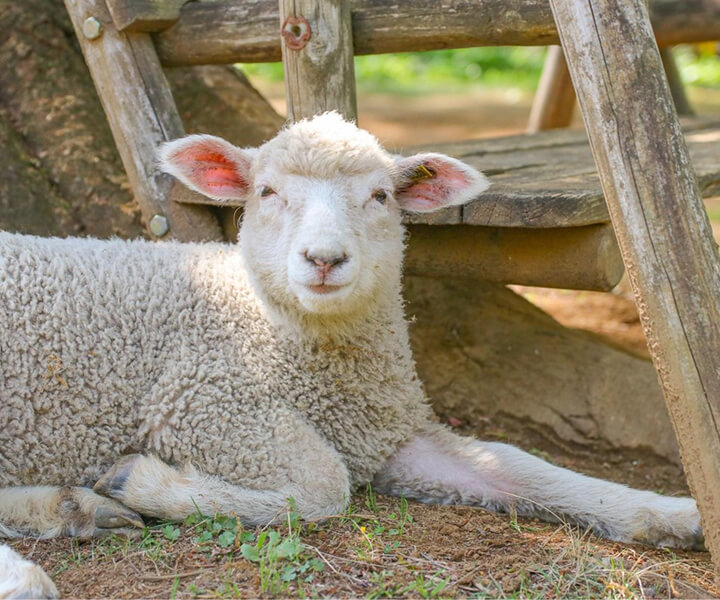
Classification: Order Artiodactyla, Family Bovidae
Food: Grass and plants
Lifespan: Approximately 10 years
Weight: Approximately 45-95 kg
Original species: Mouflon uriar argali
They live in herds and always follow the leader. As a result of selective breeding, the wool of sheep raised as livestock grows continuously throughout their lives, so it is shorn once a year and used as material for clothing and other items.
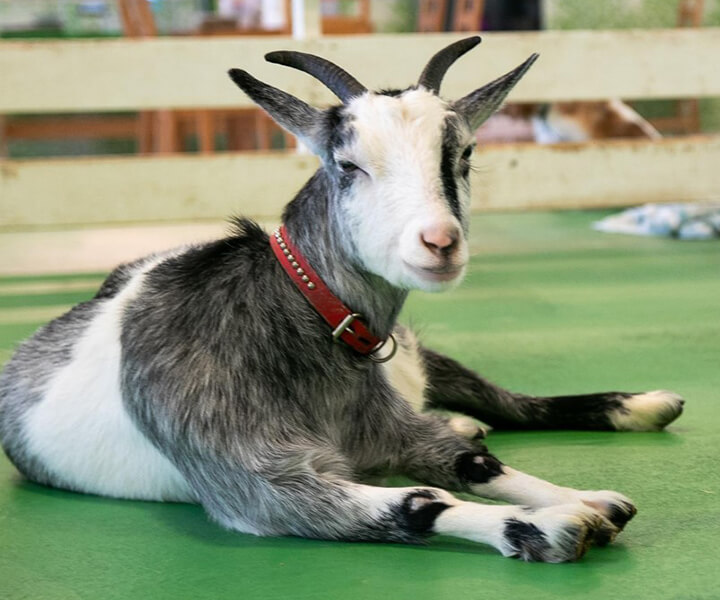
Classification: Order Artiodactyla, Family Bovidae
Food: Plants and tree bark
Lifespan: Approximately 12 years
Weight: Approximately 20 kg to 90 kg
Country of origin: West Asia
Wild goats inhabit barren lands and cliffs in mountainous areas. The presence or absence of horns is due to species differences, not sex differences; some females have horns, while others do not.
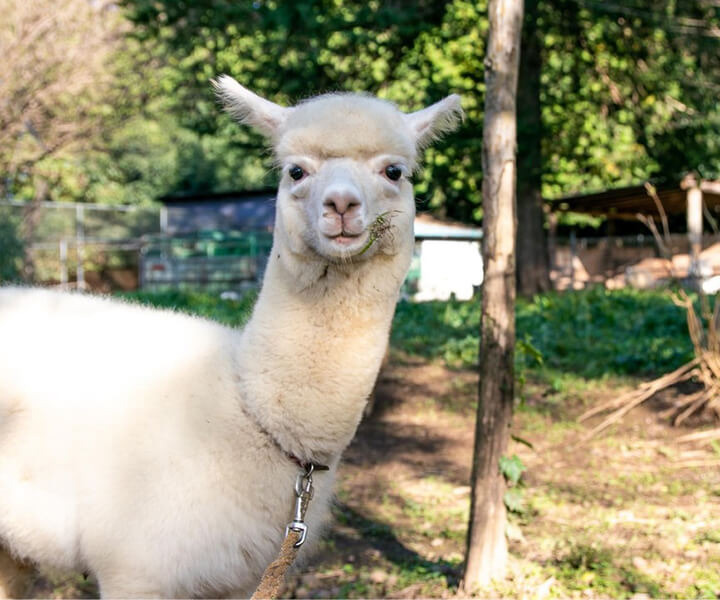
Classification: Artiodactyla, Camelidae
Food: Grass and plants
Lifespan: Approximately 15-20 years
Weight: Approximately 50-65 kg
Habitat: Highlands of Peru and Bolivia at altitudes of 3,500 to 5,000 meters.
Its fur is considered a top-quality material, surpassing even cashmere. Lacking sharp fangs or claws to intimidate opponents, it spits extremely foul-smelling saliva at its enemies to threaten them or defend itself.
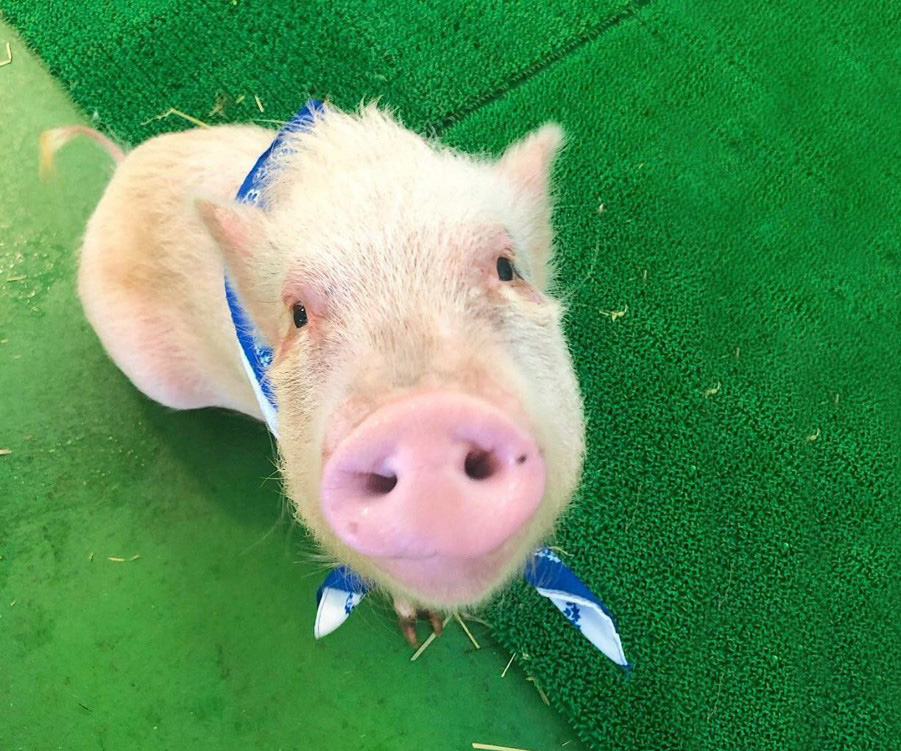
Classification: Artiodactyla, Suidae
Food: Plants, insects, etc.
Lifespan: Approximately 10 to 15 years
Weight: Approximately 40-70kg
Country of origin: Vietnam, etc.
Miniature pigs are a general term for pig breeds weighing less than 100 kg. Pigs were originally developed from wild boars, and miniature pigs are a further development of smaller pigs. They possess a sense of smell and intelligence comparable to dogs.
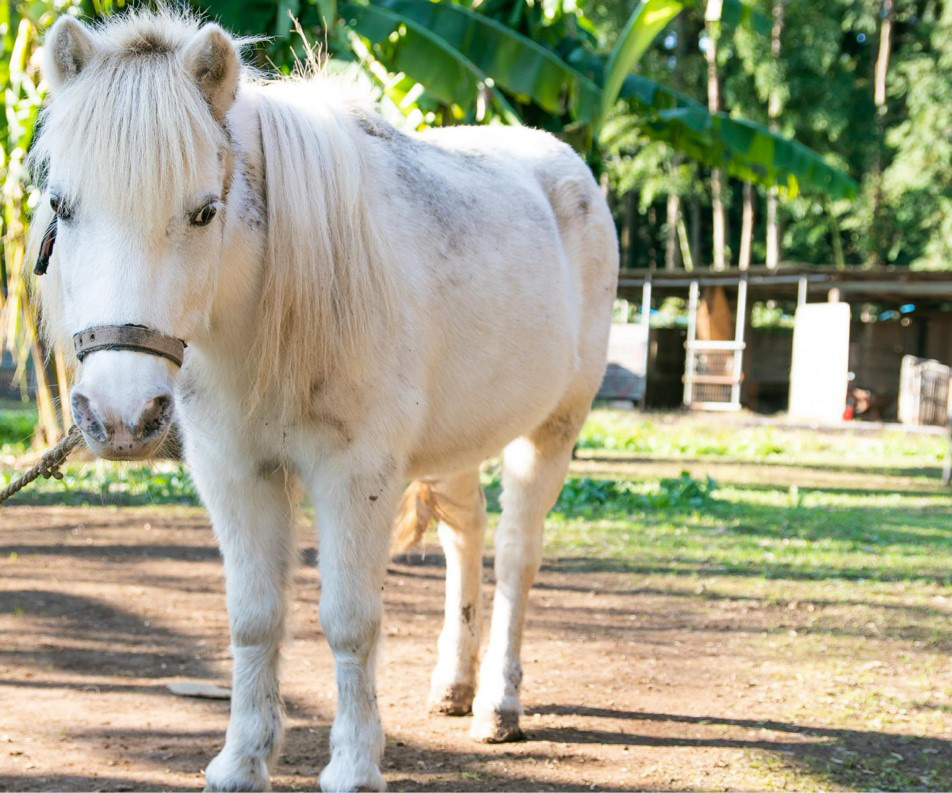
Classification: Order Perissodactyla, Family Equidae
Food: Grass and plants
Lifespan: Approximately 30 years
Weight: Approximately 150-500 kg
Country of origin: United Kingdom, Mongolia, Japan, etc.
A pony is a general term for horses that are 147 cm or shorter at the shoulder, and is a type of horse, not a breed. There are currently eight breeds of native Japanese horses (horses native to Japan), and all of them are classified as ponies.
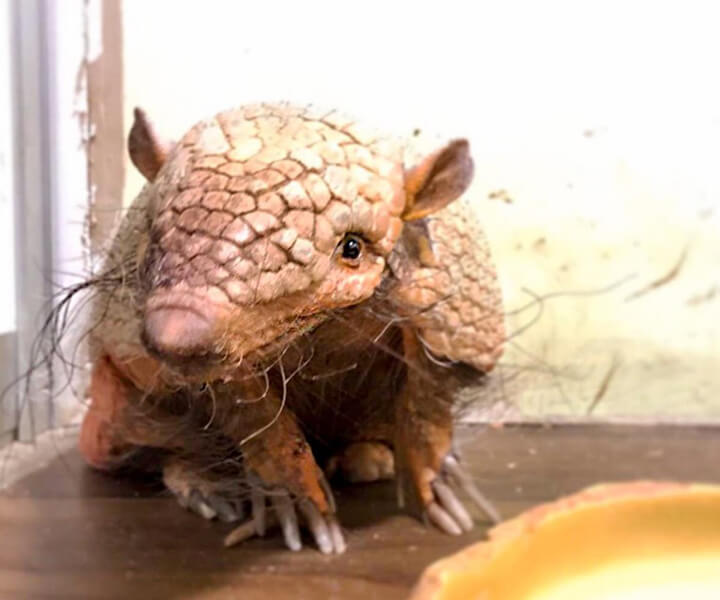
Classification: Armadillodae
Food: Insects, carrion, fruits, plants, etc.
Total length: 40-50cm
Lifespan: Approximately 8 to 12 years
Habitat: Brazil to northern Argentina
It is called "Mutsuobi" (six-banded) because it has six to eight belts on its back. Compared to other armadillos, it has a longer tail and is larger. When attacked by a predator, it curls up to protect itself, but only the three-banded armadillo curls up completely into a ball; this species only curls up to the point of retracting its limbs under its shell.
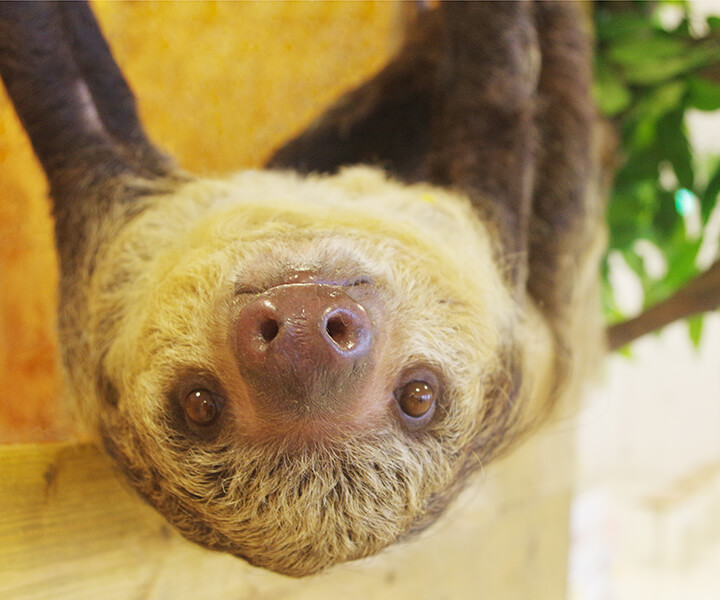
Classification: Pilosa, Family Pilosa, Family Pilosa
Food: Leaves, fruits, etc.
Lifespan: Approximately 10 to 15 years
Weight: Approximately 4-9 kg
Body length: 60-70cm
Habitat: Tropical rainforests of northern South America
They spend about 20 hours a day sleeping, using their long claws to hook onto tree trunks or sitting on trees. They come down to the ground once a week to defecate, but they are not good at walking. Because they don't move around much, moss sometimes grows on their fur, but this color serves as camouflage in the jungle.
.png)